Buy lustige-geburtstagswuensche.eu ?
We are moving the project
lustige-geburtstagswuensche.eu .
Are you interested in purchasing the domain
lustige-geburtstagswuensche.eu ?
domain@kv-gmbh.de · 0541-91531010
Buy lustige-geburtstagswuensche.eu ?
Should one use the Subjunctive or the Conditional when expressing wishes?
When expressing wishes, one should use the subjunctive mood. The subjunctive is used to express desires, hopes, and wishes that may or may not come true. It is used to convey a sense of uncertainty or unreality. On the other hand, the conditional mood is used to express hypothetical or unreal situations, but it is not typically used to express wishes. Therefore, when expressing wishes, it is more appropriate to use the subjunctive mood. **
How are Latin subjunctive subordinate clauses still translated with the subjunctive?
Latin subjunctive subordinate clauses are still translated with the subjunctive in English to convey the same sense of uncertainty, possibility, or doubt. In English, the subjunctive mood is used to express hypothetical or unreal situations, wishes, recommendations, or demands. Therefore, when translating Latin subjunctive subordinate clauses, the English subjunctive is used to maintain the same mood and meaning of the original Latin sentence. **


Similar search terms for Subjunctive
Top-Angebote
Products related to Subjunctive:
-
Uplift Treasures Colorful Flame Birthday Candles Party Celebration Set 12pcsProduct Description: Make every celebration more exciting with these colorful flame birthday candles. Designed to produce vibrant multicolored flames when lit, they add a unique and eyecatching effect to birthday cakes, parties, festivals, and...41,97 $*Shipping: 0,00 $Secure redirect to the provider
-
Uplift Picks LovePiece Acrylic Grandma Puzzle Plaque Funny Birthday Keepsake Gift LovePiece Acrylic Grandma Puzzle Plaque Funny Birthday Keepsake GiftCelebrate your grandmother with a heartfelt and playful grandma puzzle plaque gift designed to show just how much she means to the family. This beautifully carved keepsake features a unique puzzle shaped design that symbolizes how every family...45,00 $*Shipping: 0,00 $Secure redirect to the provider
-
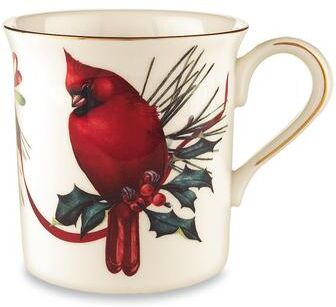
Lenox Winter Greetings MugOur classic Winter Greetings Collection features peaceful birds perched amidst a motif of pinecone, holly and mistletoe. Crafted from durable porcelain with 24k gold accents, this mug makes an artful addition to the holiday tabletop.40,49 $*Shipping: 0,00 $Secure redirect to the provider



-
Maybe subjunctive or indicative?
The choice between subjunctive or indicative depends on the context of the sentence. The subjunctive mood is used to express doubt, uncertainty, desire, or hypothetical situations, while the indicative mood is used for statements of fact or certainty. To determine whether to use subjunctive or indicative, consider the verb's relationship to reality and whether it is expressing a fact or a possibility. **
-
Perhaps, subjunctive or indicative?
The choice between subjunctive or indicative depends on the context of the sentence. The subjunctive mood is used to express hypothetical or uncertain situations, wishes, recommendations, or doubts. On the other hand, the indicative mood is used for statements of fact or certainty. Therefore, if the sentence is expressing a possibility, doubt, or desire, the subjunctive mood would be more appropriate. **
-
Conditional, subjunctive or indicative?
The choice between conditional, subjunctive, or indicative mood depends on the context of the sentence. The conditional mood is used to express a hypothetical situation or a condition that is dependent on something else happening. The subjunctive mood is used to express wishes, recommendations, or possibilities. The indicative mood is used to state facts or ask questions. **
-
What is the use of the present subjunctive and the past subjunctive?
The present subjunctive is used to express desires, doubts, wishes, or hypothetical situations in the present or future. It is often used after certain verbs and conjunctions that indicate uncertainty or subjectivity. The past subjunctive, on the other hand, is used to express desires, doubts, wishes, or hypothetical situations in the past. It is often used in the same way as the present subjunctive, but in reference to past events or situations. Both subjunctive forms are used to convey uncertainty or subjectivity in a sentence. **


Are the subjunctive I and the subjunctive II present in all tenses?
No, the subjunctive I and subjunctive II are not present in all tenses. The subjunctive I is only present in the present tense, while the subjunctive II is present in the past tense. The subjunctive I is used to express wishes, suggestions, or hypothetical situations in the present, while the subjunctive II is used to express wishes, suggestions, or hypothetical situations in the past. Each tense has its own specific form of the subjunctive mood. **
'It is strange that + subjunctive'
It is strange that she should be so calm in such a chaotic situation. **
Top-Angebote
Products related to Subjunctive:
-
Uplift Essentials Funny 2026 Cats Buttholes Calendar Unique Humorous Monthly Planner For Gifting And Decor Funny 2026 Cats Buttholes Calendar Unique Humorous Monthly Planner For Gifting And DecorInject a daily dose of humor into your year with the Funny 2026 Cats Buttholes Calendar. This oneofakind monthly planner features a clear and organized layout from January to December, designed to help you manage your personal and professional...55,97 $*Shipping: 0,00 $Secure redirect to the provider
-
Inspired Living Its My Birthday Adjustable Birthday Baseball Hat Funny Happy Birthday Party Cap For Women & Men Its My Birthday Adjustable Birthday Baseball Hat Funny Happy Birthday Party Cap For Women & MenMake your big day impossible to ignore with a bold and playful birthday baseball hat designed to celebrate you. This fun and stylish cap instantly lets everyone know its your special day while adding a casual, photoready touch to any celebration...45,97 $*Shipping: 0,00 $Secure redirect to the provider
-
Uplift Treasures Colorful Flame Birthday Candles Party Celebration Set 12pcsProduct Description: Make every celebration more exciting with these colorful flame birthday candles. Designed to produce vibrant multicolored flames when lit, they add a unique and eyecatching effect to birthday cakes, parties, festivals, and...41,97 $*Shipping: 0,00 $Secure redirect to the provider
-
Uplift Picks LovePiece Acrylic Grandma Puzzle Plaque Funny Birthday Keepsake Gift LovePiece Acrylic Grandma Puzzle Plaque Funny Birthday Keepsake GiftCelebrate your grandmother with a heartfelt and playful grandma puzzle plaque gift designed to show just how much she means to the family. This beautifully carved keepsake features a unique puzzle shaped design that symbolizes how every family...45,00 $*Shipping: 0,00 $Secure redirect to the provider
-
Should one use the Subjunctive or the Conditional when expressing wishes?
When expressing wishes, one should use the subjunctive mood. The subjunctive is used to express desires, hopes, and wishes that may or may not come true. It is used to convey a sense of uncertainty or unreality. On the other hand, the conditional mood is used to express hypothetical or unreal situations, but it is not typically used to express wishes. Therefore, when expressing wishes, it is more appropriate to use the subjunctive mood. **
-
How are Latin subjunctive subordinate clauses still translated with the subjunctive?
Latin subjunctive subordinate clauses are still translated with the subjunctive in English to convey the same sense of uncertainty, possibility, or doubt. In English, the subjunctive mood is used to express hypothetical or unreal situations, wishes, recommendations, or demands. Therefore, when translating Latin subjunctive subordinate clauses, the English subjunctive is used to maintain the same mood and meaning of the original Latin sentence. **
-
Maybe subjunctive or indicative?
The choice between subjunctive or indicative depends on the context of the sentence. The subjunctive mood is used to express doubt, uncertainty, desire, or hypothetical situations, while the indicative mood is used for statements of fact or certainty. To determine whether to use subjunctive or indicative, consider the verb's relationship to reality and whether it is expressing a fact or a possibility. **
-
Perhaps, subjunctive or indicative?
The choice between subjunctive or indicative depends on the context of the sentence. The subjunctive mood is used to express hypothetical or uncertain situations, wishes, recommendations, or doubts. On the other hand, the indicative mood is used for statements of fact or certainty. Therefore, if the sentence is expressing a possibility, doubt, or desire, the subjunctive mood would be more appropriate. **
Similar search terms for Subjunctive
-
Lenox Winter Greetings MugOur classic Winter Greetings Collection features peaceful birds perched amidst a motif of pinecone, holly and mistletoe. Crafted from durable porcelain with 24k gold accents, this mug makes an artful addition to the holiday tabletop.40,49 $*Shipping: 0,00 $Secure redirect to the provider
-
Lenox Winter Greetings Dinner PlateOur classic Winter Greetings Collection features peaceful birds perched amidst a motif of pinecone, holly and mistletoe. Crafted from durable porcelain with 24k gold accents, this dinner plate makes an artful addition to the holiday tabletop.36,95 $*Shipping: 0,00 $Secure redirect to the provider
-
Conditional, subjunctive or indicative?
The choice between conditional, subjunctive, or indicative mood depends on the context of the sentence. The conditional mood is used to express a hypothetical situation or a condition that is dependent on something else happening. The subjunctive mood is used to express wishes, recommendations, or possibilities. The indicative mood is used to state facts or ask questions. **
-
What is the use of the present subjunctive and the past subjunctive?
The present subjunctive is used to express desires, doubts, wishes, or hypothetical situations in the present or future. It is often used after certain verbs and conjunctions that indicate uncertainty or subjectivity. The past subjunctive, on the other hand, is used to express desires, doubts, wishes, or hypothetical situations in the past. It is often used in the same way as the present subjunctive, but in reference to past events or situations. Both subjunctive forms are used to convey uncertainty or subjectivity in a sentence. **
-
Are the subjunctive I and the subjunctive II present in all tenses?
No, the subjunctive I and subjunctive II are not present in all tenses. The subjunctive I is only present in the present tense, while the subjunctive II is present in the past tense. The subjunctive I is used to express wishes, suggestions, or hypothetical situations in the present, while the subjunctive II is used to express wishes, suggestions, or hypothetical situations in the past. Each tense has its own specific form of the subjunctive mood. **
-
'It is strange that + subjunctive'
It is strange that she should be so calm in such a chaotic situation. **
* All prices are inclusive of VAT and, if applicable, plus shipping costs. The offer information is based on the details provided by the respective shop and is updated through automated processes. Real-time updates do not occur, so deviations can occur in individual cases. ** Note: Parts of this content were created by AI.